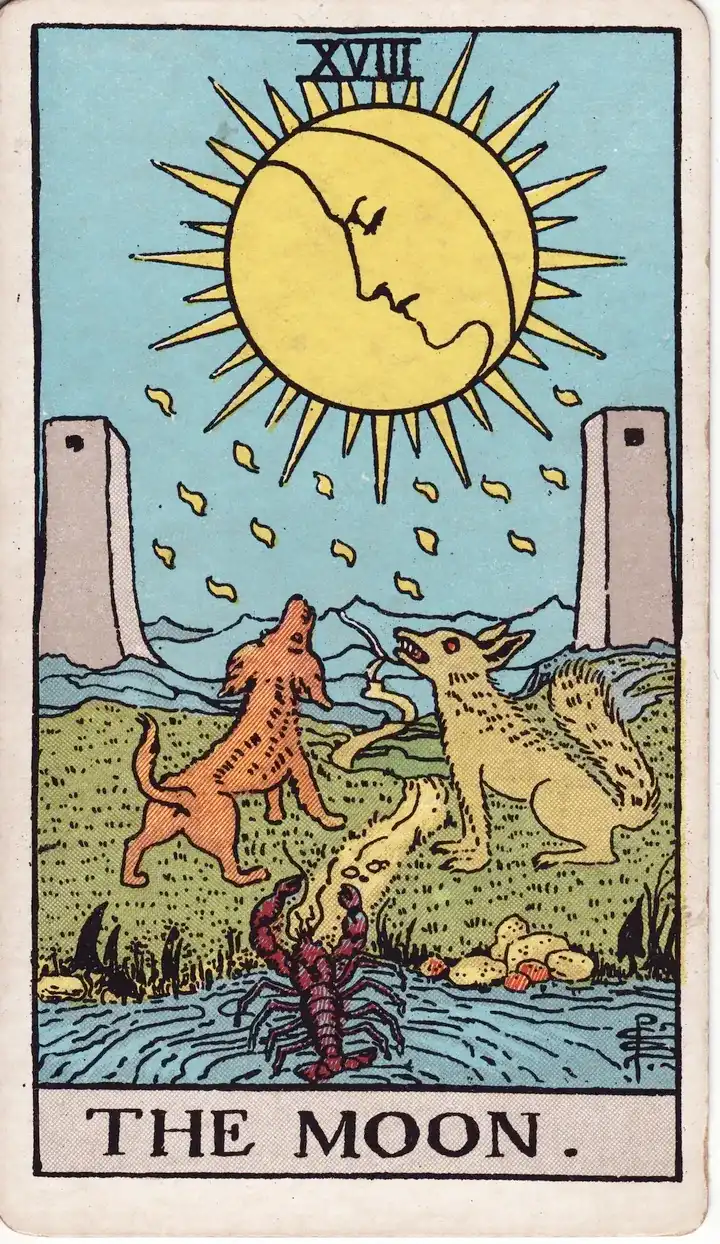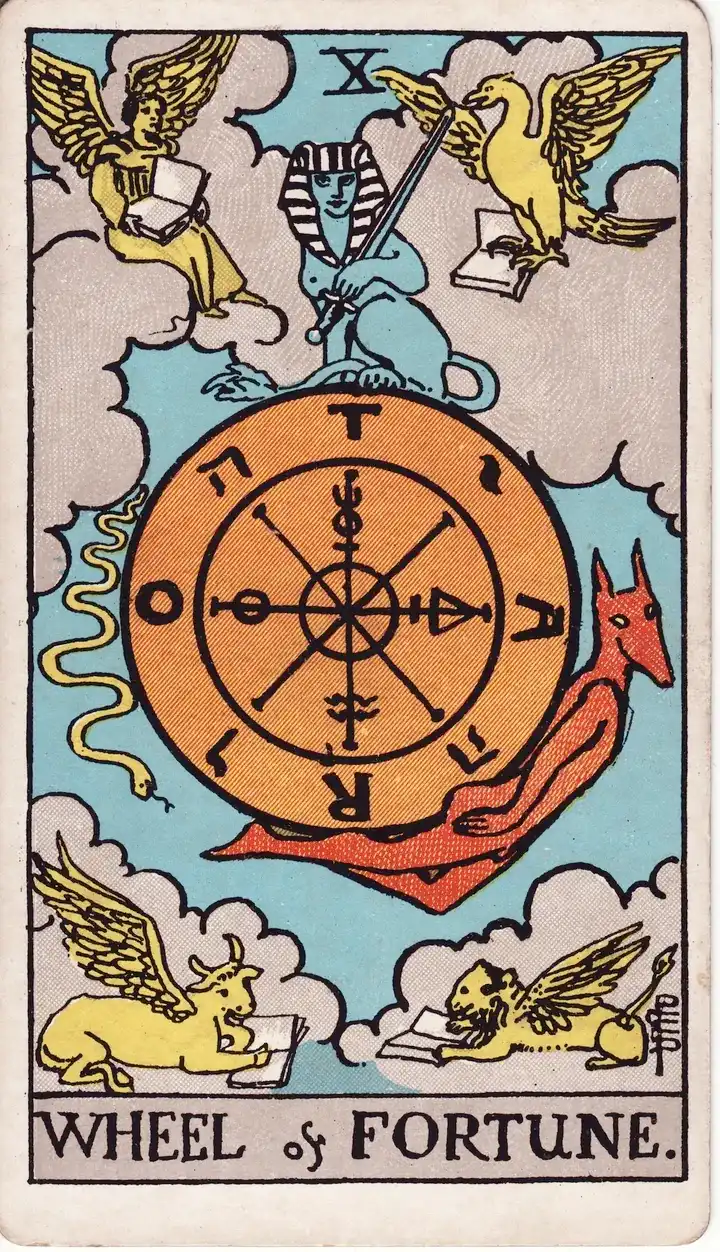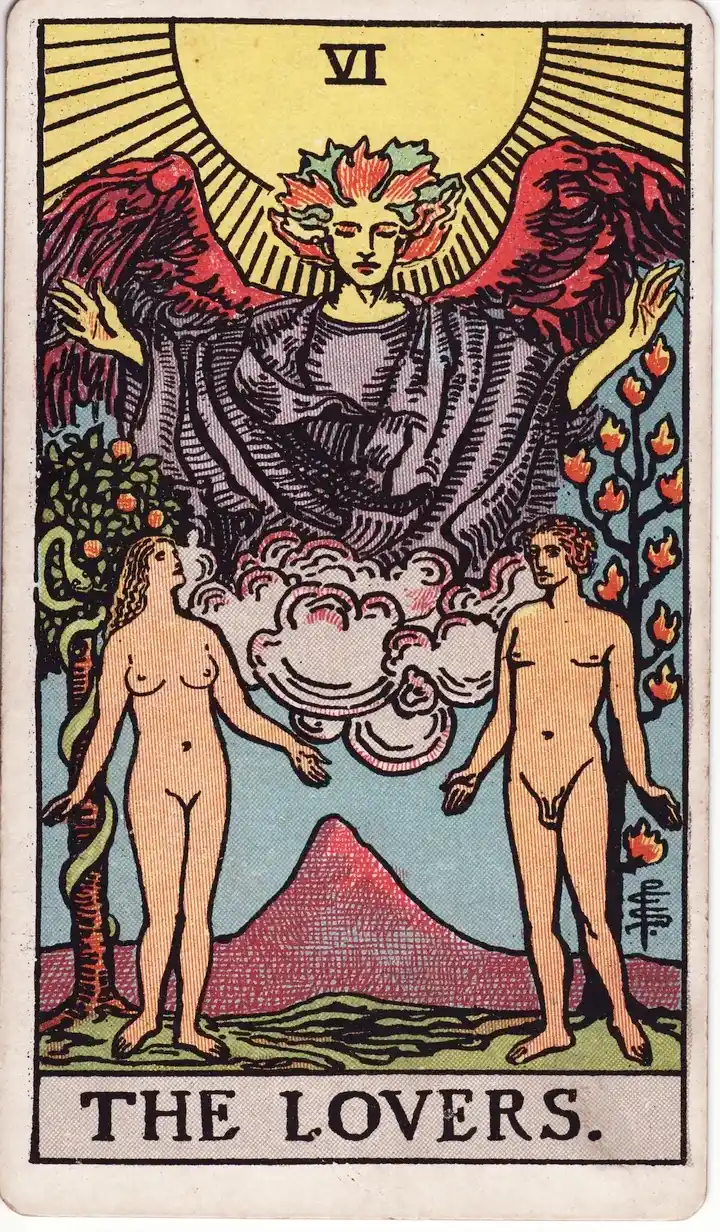
Love & relationships
rated by real customers
Where a connection is heading, mixed signals, a decision about staying or leaving.
Find a reader →✦ Tarot & psychic readings
Love, money, the decision you can't make — read it clearly.
Connect with experienced tarot readers and psychics by chat or phone. Honest guidance — no fear, no false promises, no fortune-telling clichés.
First 3 minutes free for new customers · Stop the session whenever · 18+ only
We may earn a commission when you book through our recommended platforms — at no extra cost to you. Full disclosure →

Risk-free — stop whenever, no subscription. See readers →
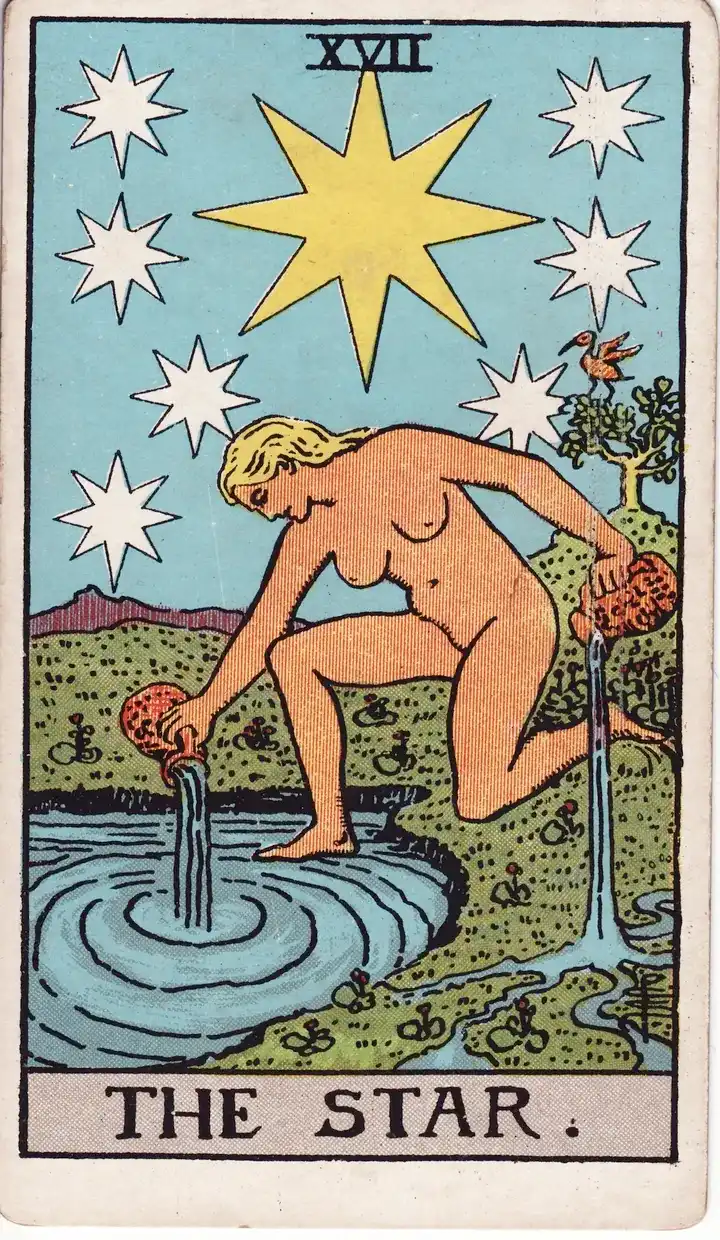
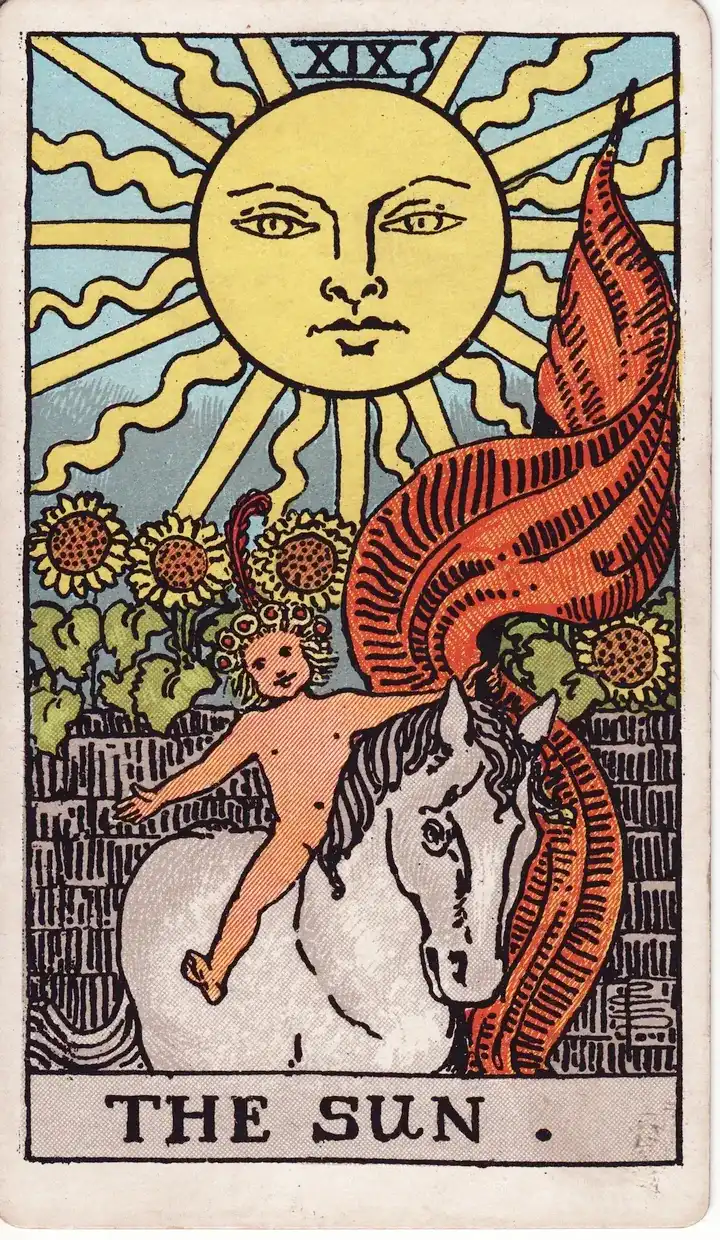
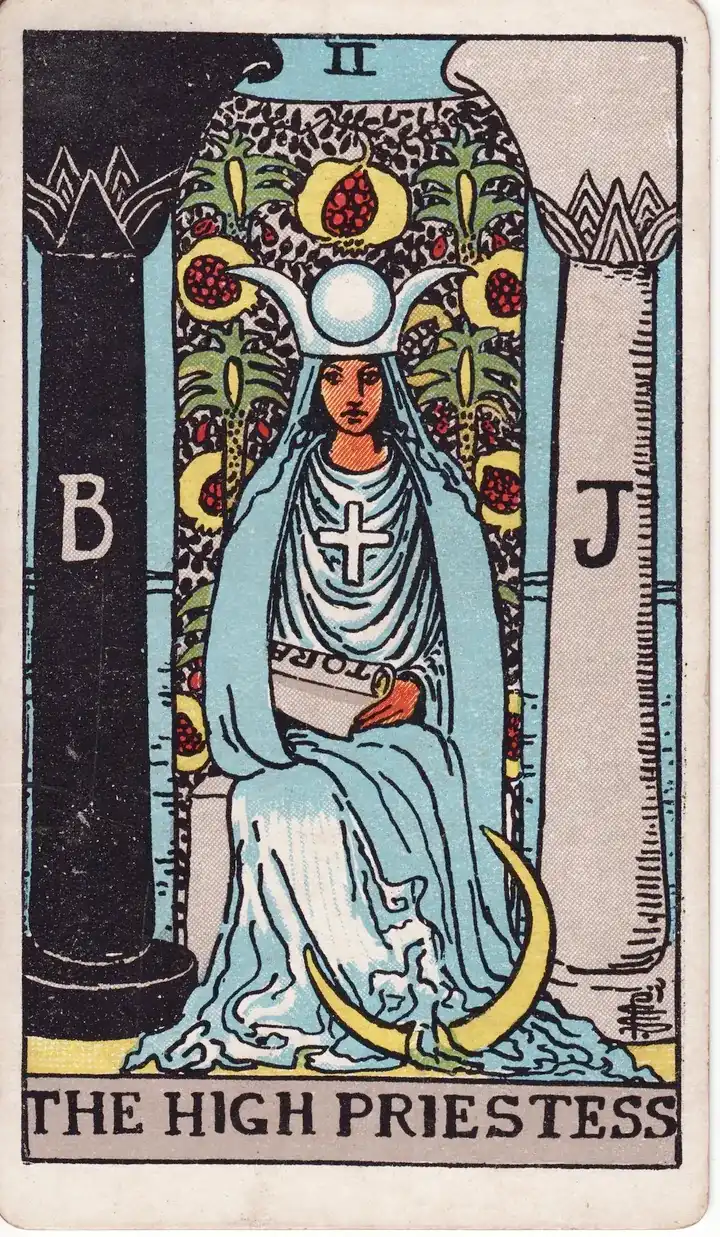
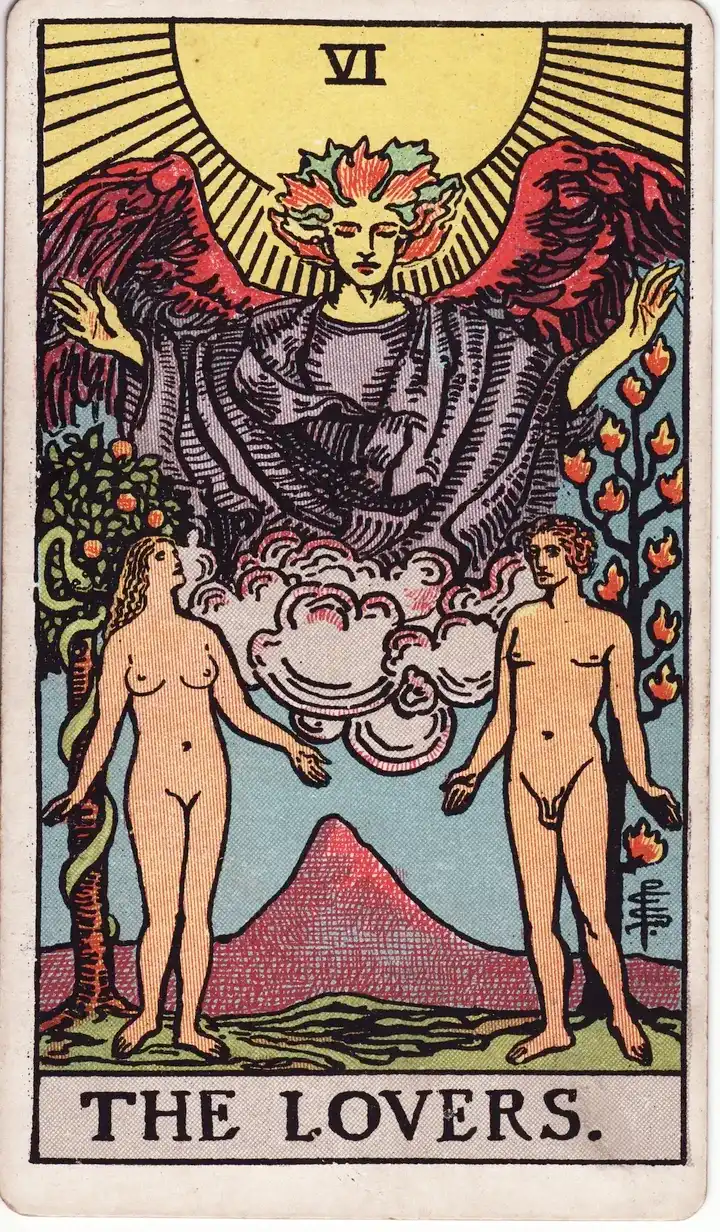
Click any card for its meaning — instant, free.
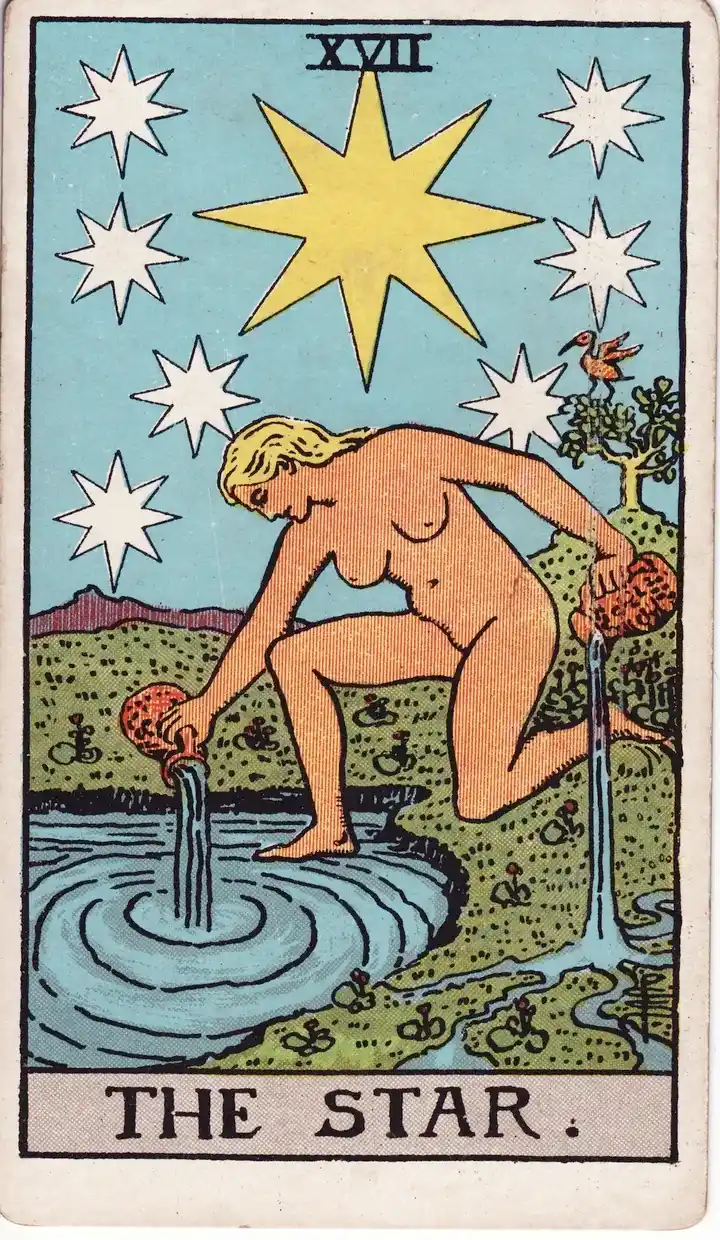
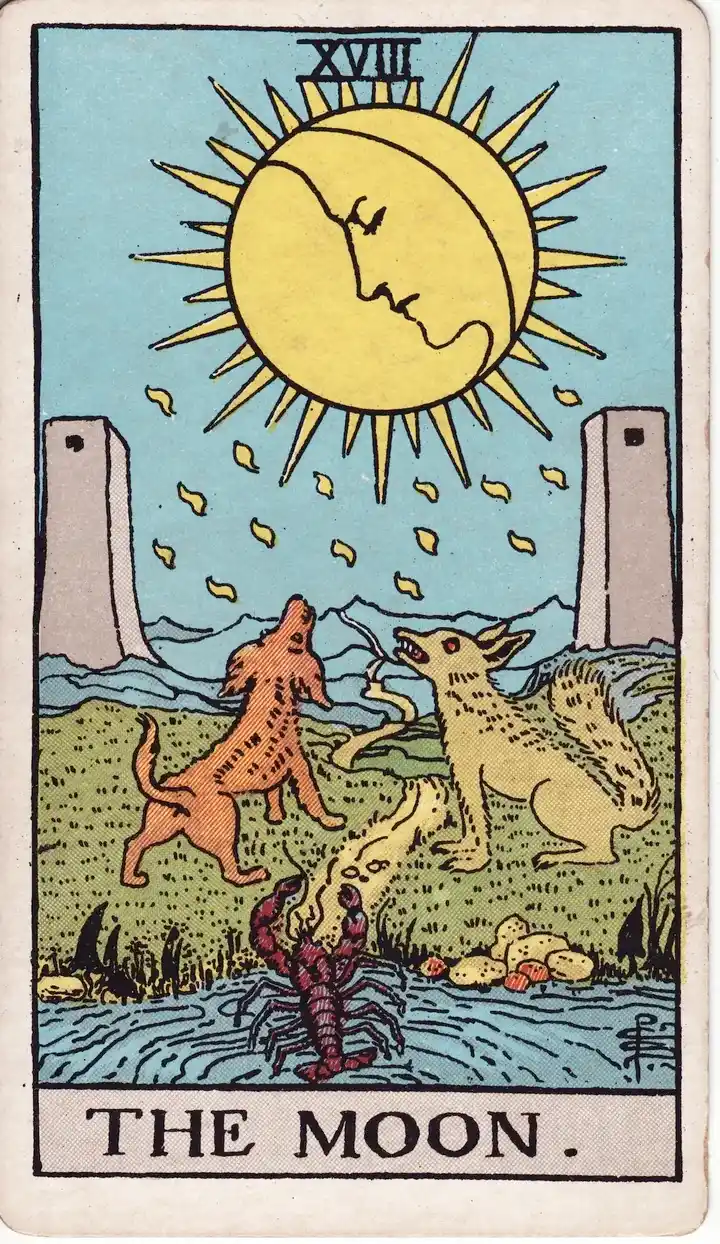
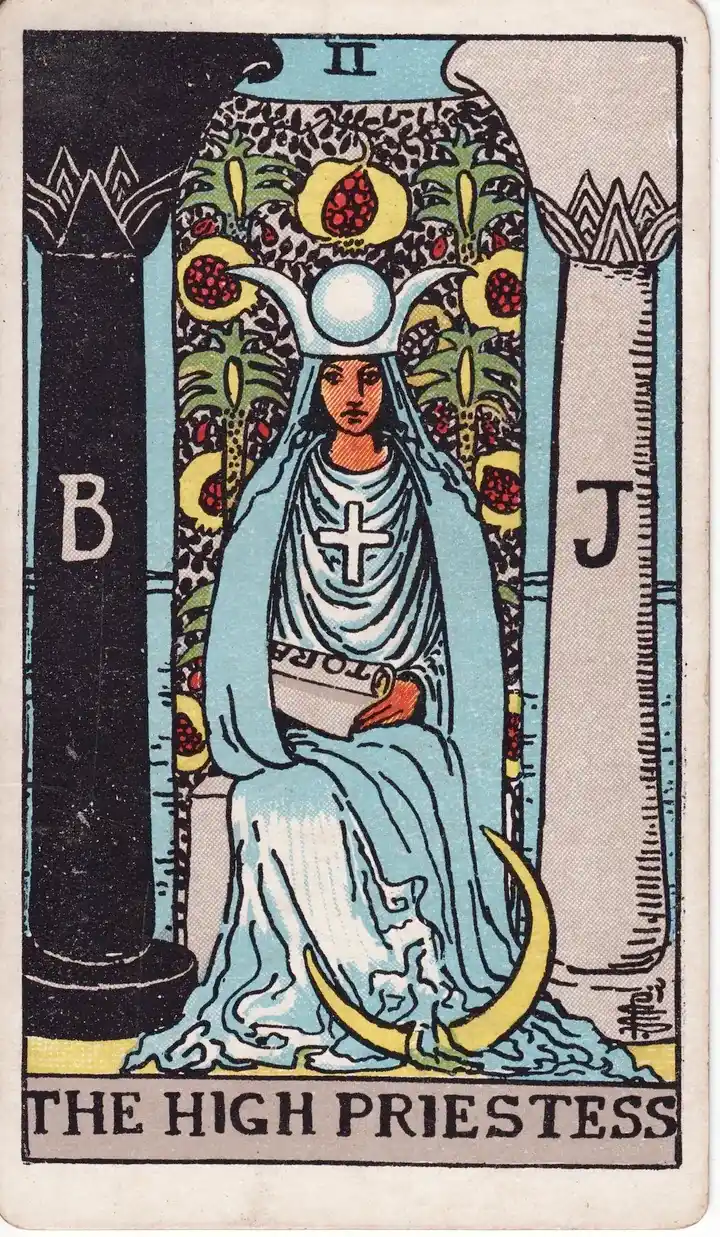
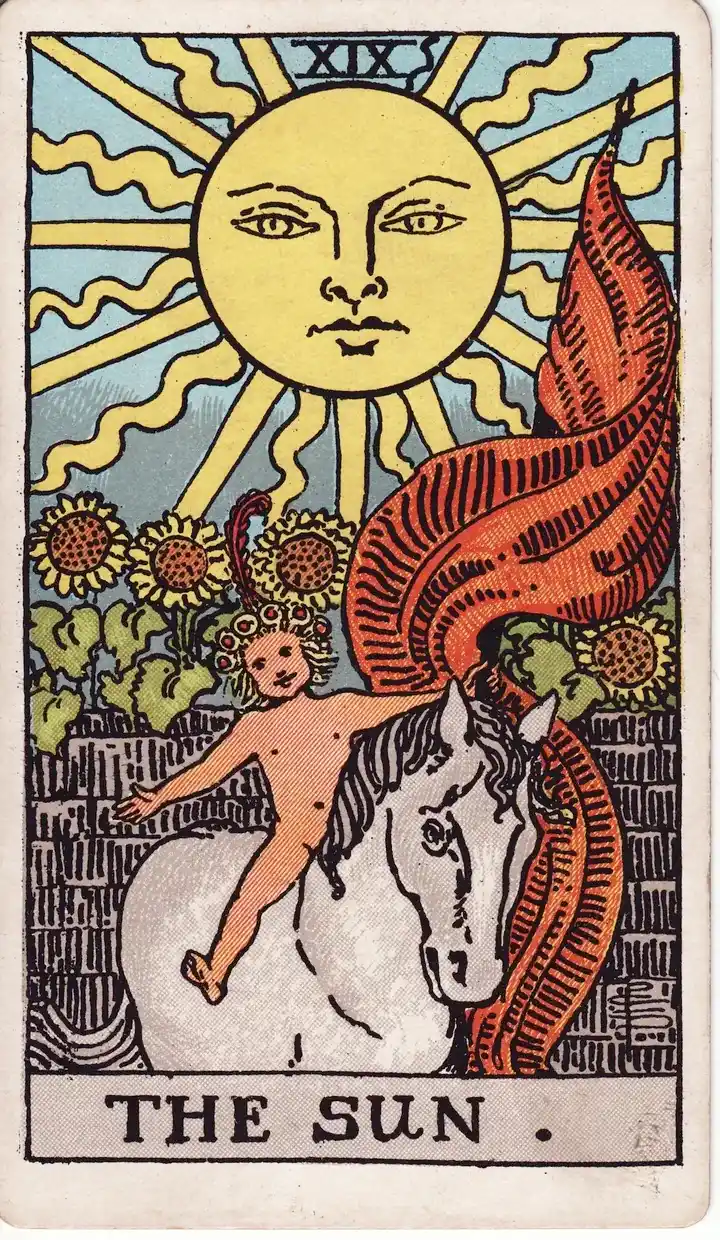
The questions that bring people to the cards:
Whatever yours is — you don't have to sit with it alone.
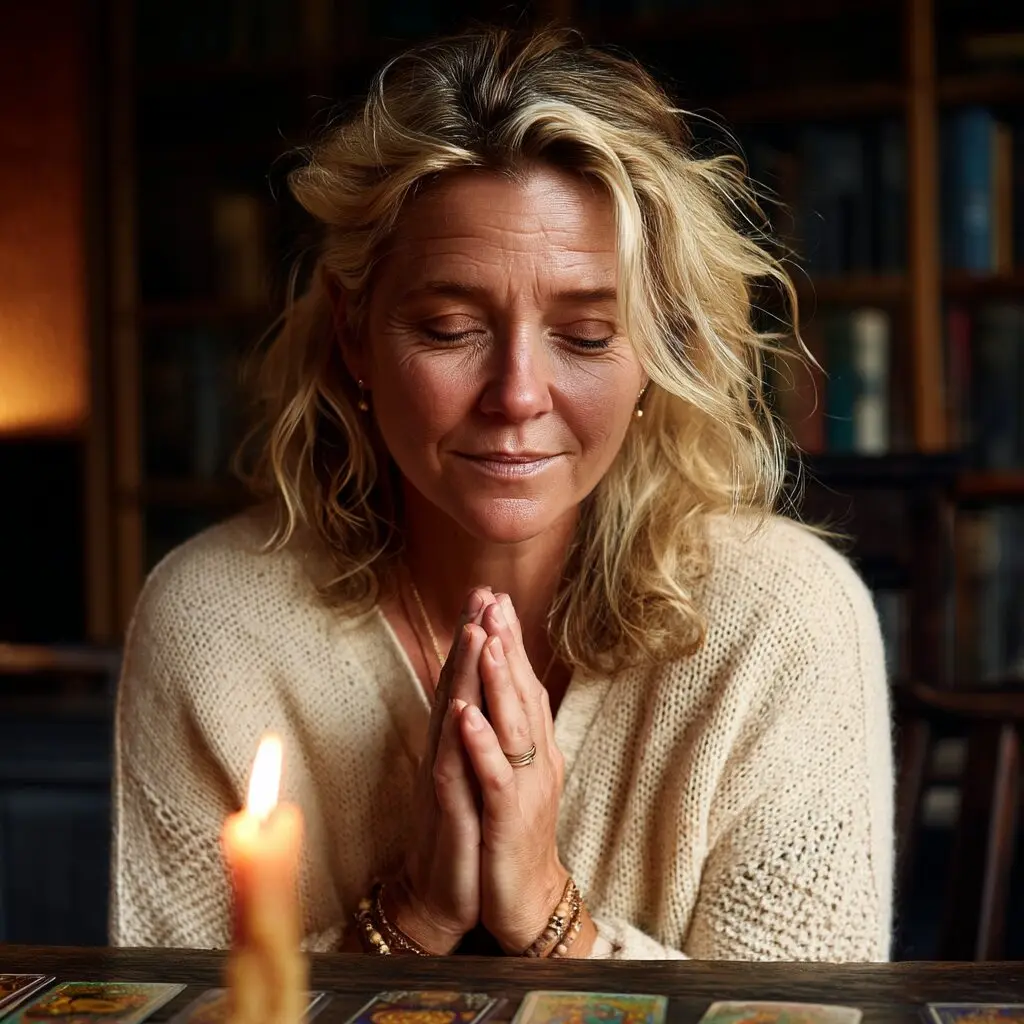
Your reader
Vesper is the reader and editorial voice behind Tarot of the Boroughs. Her whole approach comes down to one belief: the cards don't predict your future — they hand you seventy-eight images to think with, and a good session simply helps you think clearly. She works the way the best readers do — unhurried, honest, entirely on your side. No drama, no fear, no promises that can't be kept. What you'll always get from her is a calm, plain-spoken second opinion on the question you're carrying — never a sales pitch dressed up as a prophecy.
More about Vesper →The cabinet
Through the platforms we recommend you can reach hundreds of vetted readers — each with their own speciality, experience and genuine rating.
rated by real customers
Where a connection is heading, mixed signals, a decision about staying or leaving.
Find a reader →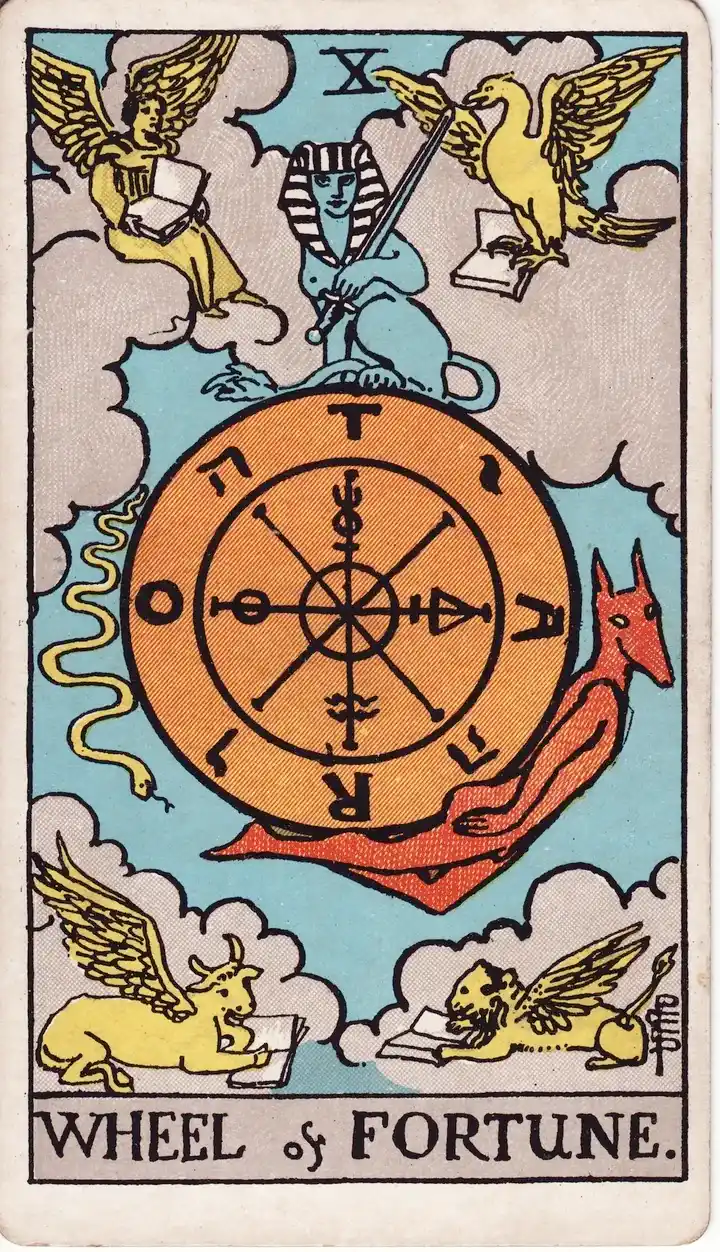
rated by real customers
A move you keep circling, a change of direction, what to focus on next.
Find a reader → rated by real customers
Reconnecting with someone you have lost, closure, a sense of peace.
Find a reader → rated by real customers
A full card session on a question that matters — clear, grounded, honest.
Find a reader →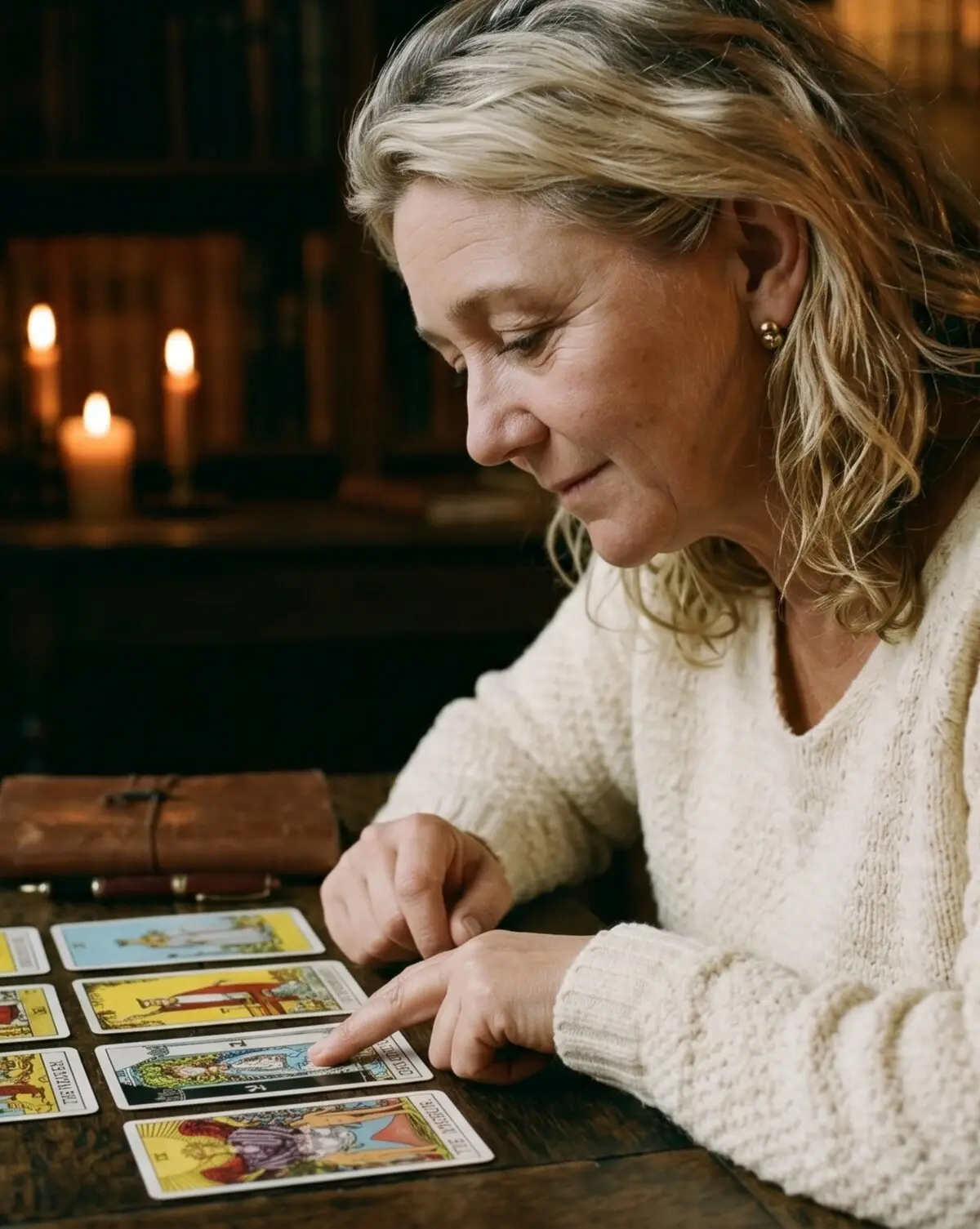
In a session
A consultation is a quiet, structured conversation. You bring a real question; the cards give it shape; the reader helps you see it clearly. It will not hand you a fixed future — it will leave you steadier, and clearer about the step in front of you.
How a session works →How it works
Love, work, a decision — start with the real question.
Browse by speciality, experience and genuine rating.
Whenever you are ready — your first minutes are introductory.
A fresh perspective to act on — not a fixed fate.
Honest answers
A tarot or psychic consultation is, at heart, a structured conversation. You bring a real question — about love, work, a decision, a chapter that won't resolve — and the cards give it shape. A skilled reader uses them to help you look at your situation from angles you couldn't quite reach on your own. The best sessions feel insightful without being mysterious for its own sake — they unlock a new angle, give you a clearer vision of the situation, and let you make a plan for the future you can actually stand behind.
What a good session can do is real and worth having: it meets you where you are, names what you've been circling, and sends you off steadier and clearer about the next step. People don't consult a reader because they're naïve — they do it because a calm outside perspective genuinely helps when you're too close to something to see it.
What it can't do — and what we will never claim — is hand you a fixed, guaranteed future, or tell you what someone else will do. Tarot is a tool for reflection, not prophecy. A genuine reader never trades on fear, never warns of "curses", and never promises a specific outcome. If a session ever feels like that, walk away — and read our guide to choosing the right reader.
Understanding the cards
A tarot session uses a 78-card pack to help you think through a real question. The cards are divided into two families. The Major Arcana — 22 cards from The Fool to The World, including The Magus (or Magician), The High Priestess, The Lovers, Death and The Tower — covers the big themes of a life: turning points, decisions, lessons. Each card carries its own symbolism and influence on the spread. The Minor Arcana — 56 cards across four suits, including the Court Cards (Page, Knight, Queen, King), the numbered cards, and the Ace of Wands among them — covers the everyday: people, work, money, the texture of a week.
A session begins when the reader takes the pack, shuffles it, and lays the cards in a spread. The classic Celtic Cross uses 10 cards and gives a detailed look at a question; a simple three-card layout covers past, present and future, or situation, action, outcome. Other spreads exist for love, money, or a yes-no consult. The act of shuffling itself is part of the work — it slows the question down before the first card lands.
Each card has a traditional tarot meaning — drawn from the Rider-Waite-Smith tradition, the work of the occultist Arthur Edward Waite and the artist Pamela Colman Smith, whose illustration style is still the most widely copied today. Modern teachers like Theresa Reed, the Tarot Lady, along with Mary K. Greer and Rachel Pollack, have written extensively about how to interpret each card in context. Their shared point: tarot is a tool for intuitive insight, not literal divination. A tarot reader uses each card's symbolism — the imagery, the position, whether it's upright or reversed — to open up the question, not to determine a fixed future. Let the picture tell the story before reaching for the dictionary; the wisdom usually shows up when something feels right in that first look, even before you can explain why. Tarot packs even share their structural roots with ordinary playing cards — the four suits, the numbered cards, the court figures — but with a richer symbolic vocabulary added on top.
What tarot is not: it's not occult fortune-telling, it's not magic, it's not esoteric ritual. The cards have no divinatory power on their own — they're prompts. The wisdom comes from the conversation, the clarity from the structure. That's the honest version, and it's also the one with the most useful track record. If you'd like to learn tarot yourself, our beginner's tarot guide is tarot made easy and walks you through it, and our card meanings cover every card in plain language.
Tarot also intersects with astrology — many people use both, since the two traditions share a vocabulary of archetypes (the Empress and Venus, the Emperor and Aries, the Magus and Mercury, Gemini and The Lovers). Some practitioners will weave astrological insight or a brief meditation into a tarot session; others will keep them strictly separate. Either approach is fine. The test of a good session is whether you leave thinking more clearly than you arrived — that's where the cards offer real wisdom, not as a forecast or prediction of the future but as a way to gain insight into what you're already sensing.
You don't need to pay anyone to get started. Our free library of card meanings covers every card in plain English — like a clear, modern manuscript of tarot in 78 short entries — and our tarot blog publishes practical guides (spreads, beginner tips, comparisons, even the occasional annual tarot forecast) every few weeks. Bookmark either and you'll have a working tarot toolkit you can come back to as your practice grows. We sometimes recommend a beginner's coloring book of the Major Arcana as a low-effort way to memorise the imagery.
Plenty of people use tarot at home long before they book a session with a reader, and that's a perfectly good place to start. A simple one card pull each morning — "what should I keep in mind today?" — is enough to learn the symbols, without any mysticism. Draw, look at the image, let the picture tell the story, jot a line in a tarot journal. Over a few weeks, the symbols start to speak the way a musician reads a score: by feel, then by analysis. A card spread comes later, when a single pull no longer feels enough.
For something more structured, the three-card layout (situation, action, outcome) or the full Celtic Cross spread give you a real framework. There's no need to memorise everything at once — modern tarot blogs and packs like the Rider-Waite-Smith or the Marseille tradition are designed to be readable from the imagery itself, including the wonderful tarot libraries that have flourished in the last decade. If you keep going, you might explore the related Lenormand system, or the Jungian idea of the collective unconscious that underlies the cards' archetypes. Sage teachers will tell you the same thing: treat the practice as personal growth, not fortune telling.
And if you want to test the cards without spending a cent, you can get a free tarot session right here: our free tarot card library lets you pick any card and read its full meaning, no sign-up required. Treat it as an interactive way to practise an online tarot card look-up daily, or as a moment of quiet, mystery-friendly reflection.
The tools
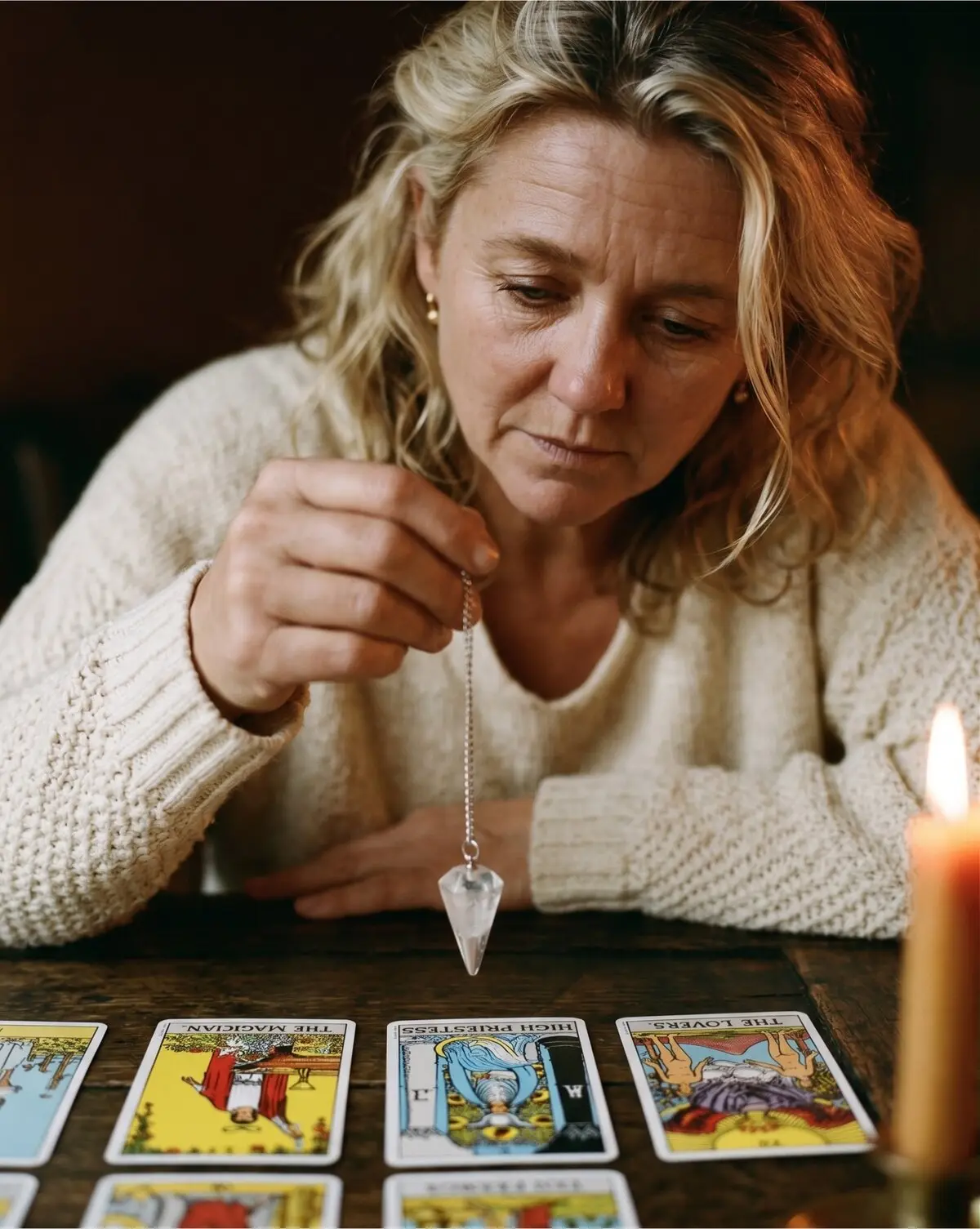
Tarot cards are the heart of it, but they aren't the only way in. A pendulum, a moment of stillness, a reader's trained intuition — different tools suit different questions. What stays the same is the honesty: a way to reflect, never a trick.
Explore the card meanings →Good to know
A consultation helps most when you are sitting with a real question — a relationship, a decision, a chapter that feels stuck. If you simply want to know what a card means, our free card meanings will do.
A good reader will not tell you what will happen. They help you see your situation more clearly and leave you steadier. Tarot is a tool for reflection, not prophecy.
You decide. Most people start with a short consultation — ten or fifteen minutes is enough to get a real take on one question — and the platforms charge by the minute, so the length, and the cost, stay in your hands.
The platforms we recommend charge per minute and offer introductory rates for new customers. You stay in control of the length — start small.
No — and a good reader will not pretend it can. A consultation hands you a clearer view of your situation; the decision stays yours. Anyone who tells you exactly what will happen, or what you must do, is not working honestly.
We point you to established platforms that vet and screen their advisors. A genuine reader never pressures you or warns of "curses" — that is always a red flag.